
The Science of Smokability: Why Clean Burning Isn't the Same as Clean Smoking
White ash doesn't equal quality. Living soil flower may burn darker due to higher mineral content, but it smokes cleaner than most synthetically fed cannabis. Here's the science behind why clean burning and clean smoking aren't the same thing, and why ash color is a terrible quality indicator.
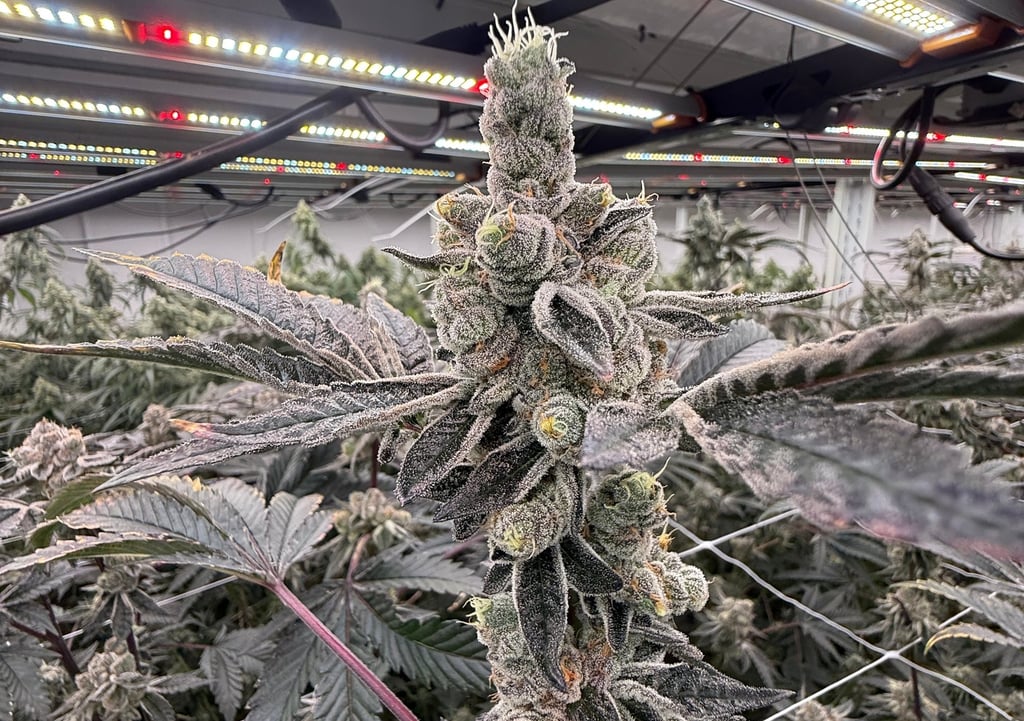
There's a widespread belief in cannabis culture that white ash equals quality and black ash means something went wrong. You'll see it repeated endlessly: "If it doesn't burn white, it's not flushed properly." "Black ash means leftover nutrients." "Clean flower should burn to pure white powder."
The reality is more complicated. And if you're growing in living soil, you need to understand the difference between clean burning and clean smoking, because they're not the same thing.
The White Ash Myth
Let's start with what ash color actually tells you.
Ash color is primarily determined by mineral content in the plant material. When organic matter combusts, minerals don't burn away. They're left behind as ash. The color of that ash depends on which minerals are present and in what concentrations.
White ash indicates lower mineral content. Black or gray ash indicates higher mineral content. That's the basic chemistry.
The leap people make is assuming lower mineral content automatically means better quality, cleaner flower, or proper flushing. But mineral content in plant tissue has multiple variables: the nutrients available in your growing medium, the plant's uptake rate during different growth stages, genetics (some strains naturally accumulate more minerals than others), drying and curing processes, and combustion temperature and oxygen availability when you're actually smoking.
Living soil grown cannabis tends to have higher mineral content than hydroponically grown or synthetically fed flower. That's not a contamination issue. It's a reflection of what the plant had access to and how it was grown.
What Living Soil Does Differently
Living soil doesn't deliver nutrients the way bottled feeding does.
In synthetic cultivation, you're providing water soluble salts in precise ratios. The plant takes up whatever's in the solution. You control exactly what goes in. Flushing at the end of flower is meant to clear out any remaining salts so they don't end up in the final product.
Living soil works through biological nutrient cycling. Beneficial bacteria and fungi break down organic matter into plant available forms. The soil food web regulates nutrient release based on microbial activity, not your feeding schedule.
This means living soil plants have access to a broader spectrum of minerals throughout their lifecycle. Calcium, magnesium, potassium, phosphorus, trace elements. All present and bioavailable through microbial action, not dumped in at specific EC values during specific weeks.
The result? Living soil flower typically has higher mineral content. It may not always burn to pure white ash. But that doesn't mean it's contaminated, improperly grown, or harsh to smoke.
The Flush Question
Flushing is standard practice in synthetic cultivation. Two weeks before harvest, you stop feeding nutrients and run pure water through your medium to clear out residual salts.
Living soil growers don't flush the same way. You can't flush out a microbial ecosystem. The soil food web is still active right up until harvest. Nutrients are still cycling. The plant is still taking up what the microbes are making available.
Some living soil growers will reduce inputs in the final weeks. Others don't change anything. The plant regulates its own uptake based on what it needs, not what you're forcing into the root zone through fertigation.
This is where the confusion happens. People see flower that doesn't burn pure white and assume it wasn't flushed properly. But living soil flower doesn't need flushing in the conventional sense because there are no synthetic salts to flush out.
Clean Smoking vs Clean Burning
Here's the critical distinction: clean smoking is about the experience. Clean burning is about ash color.
Clean smoking means smooth inhalation, no harsh throat hit, no chemical aftertaste, no headache after your session, and flavor that comes through without being masked by harshness.
Clean burning means white ash, even combustion, and no excess oil or resin clogging your piece faster than normal.
These don't always correlate. You can have flower that burns dark but smokes incredibly clean. You can also have flower that burns white but tastes harsh and leaves you with a scratchy throat.
Living soil flower often falls into the first category. It may not produce pure white ash, but the smoking experience is cleaner than most synthetically grown flower, even flower that burns whiter.
Why? Because the harshness in cannabis smoke doesn't just come from leftover nutrients. It comes from how terpenes and cannabinoids were preserved during growth, drying, and curing, residual fertilizer salts (which living soil doesn't have), chlorophyll content (influenced by cure quality, not just growing method), and overall plant health during flower.
Living soil supports healthier plants with more robust terpene profiles. The microbial ecosystem reduces plant stress, which means less chlorophyll breakdown issues. The absence of synthetic salts means there's nothing chemical to leave behind.
The result is flower that smokes clean even if it doesn't burn white.
What Actually Makes Smoke Harsh
If you want to understand smokability, you need to look at what causes harshness:
Improper curing is the biggest factor. Flower that's dried too fast or not cured long enough will be harsh regardless of how it was grown. Chlorophyll hasn't broken down. Starches and sugars are still present. The smoke will be rough.
Residual synthetic nutrients are the second issue, but only in synthetically fed flower. If you didn't flush properly, you've got salt buildup in plant tissue. That creates harshness and chemical taste.
Mold, mildew, or contamination will make anything harsh to smoke. This affects all growing methods if environmental controls fail.
Terpene degradation from improper storage, light exposure, or oxidation makes flower taste flat or harsh. Living soil flower often has higher terpene content to begin with, which means more margin for degradation before it tastes bad, but storage still matters.
Combustion temperature also plays a role. Flower that's too dry burns hotter and harsher. Flower with proper moisture content (58 to 62% relative humidity) burns cooler and smoother.
Living soil addresses several of these factors through the growing process itself. Healthier plants, better terpene preservation, no synthetic salts. But cure quality still matters. Storage still matters. If you grow incredible living soil flower and then rush the dry or cure it poorly, it's going to smoke harsh.
The Flora & Flame Standard
At Flora & Flame, we know our flower doesn't always burn pure white. We're fine with that.
What we care about is how it smokes. Smooth inhalation. Full terpene expression. No chemical aftertaste. No harshness that makes you cough unless you're taking a massive rip.
That's the living soil advantage. The microbial ecosystem underground creates conditions for plants to produce cleaner, more flavorful flower even if the mineral content means darker ash.
We're not chasing white ash for Instagram photos. We're chasing the kind of smoking experience that makes people ask what's different about this flower. That's terpene complexity, plant health, and proper cure, not ash color.
Testing the Theory Yourself
If you want to understand the difference between clean burning and clean smoking, do a side by side comparison.
Grab living soil flower and synthetically grown flower from reputable sources. Smoke both. Pay attention to: smoothness on the inhale, flavor clarity, throat feel after exhaling, and how you feel 30 minutes later.
Then look at the ash. You'll probably notice the synthetic flower burns whiter. You might also notice the living soil flower smokes smoother.
That's the distinction. Ash color is one data point. Smoking experience is the full picture.
The Bottom Line
White ash is not a reliable quality indicator for living soil flower. It tells you about mineral content, not contamination. It reflects growing method, not cleanliness.
If you're judging cannabis quality by ash color alone, you're missing what actually matters: how it smokes, how it tastes, and how it makes you feel.
Living soil flower may burn darker. It also tends to smoke cleaner, preserve terpenes better, and deliver a more complete entourage effect because the plants were healthier and had access to a fuller spectrum of nutrients throughout their lifecycle.
At Flora & Flame, we're not asking you to ignore ash color. We're asking you to pay attention to the whole experience. Smoke it. Taste it. Feel it. Then decide if the color of the ash left in your bowl actually matters compared to everything else the flower delivered.
That's the science of smokability. And that's why living soil produces some of the cleanest smoking flower you'll ever try, even when it doesn't burn the whitest.
Drops sell out. Get notified first
support@floraandflameca.com
520-702-7039
© 2026. All rights reserved.
WARNING (California Prop 65)
Cannabis smoke contains chemicals known to the State of California to cause cancer and birth defects or other reproductive harm.
For more information go to www.P65Warnings.ca.gov
For use only by persons 21 years of age or older. Keep out of reach of children and pets.
CA License: C12-0000449-LIC
Privacy Policy

