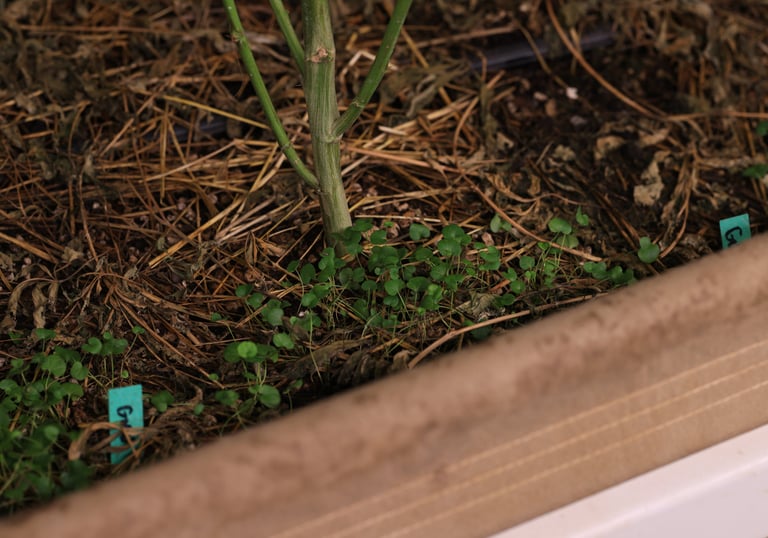
Why Living Soil?
Living soil doesn't just feed your plants. It activates biological processes that boost terpene production and diversity through microbial partnerships developed over millions of years. Learn how the soil food web unlocks aromatic compounds that synthetic feeding can't touch.


The Secret to Superior Terpenes: How Living Soil Unlocks Your Plant's Full Potential
If you've ever wondered why some cannabis smells more complex, tastes richer, and hits differently than others, the answer isn't just genetics. It's what's happening underground.
The difference between good flower and exceptional flower often comes down to terpenes: those aromatic compounds responsible for everything from citrus zing to earthy pine to sweet berry notes. And the secret to maximizing terpene production and diversity isn't found in a bottle. It's in your soil.
The Underground Economy
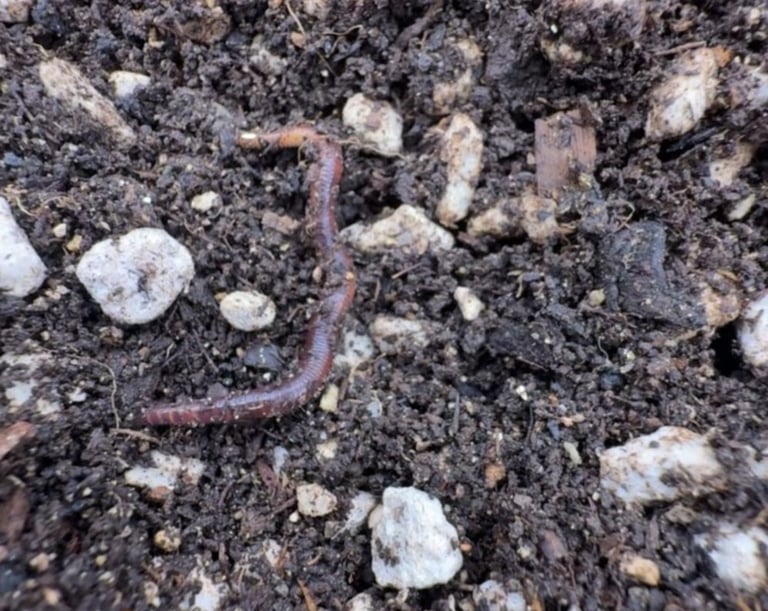
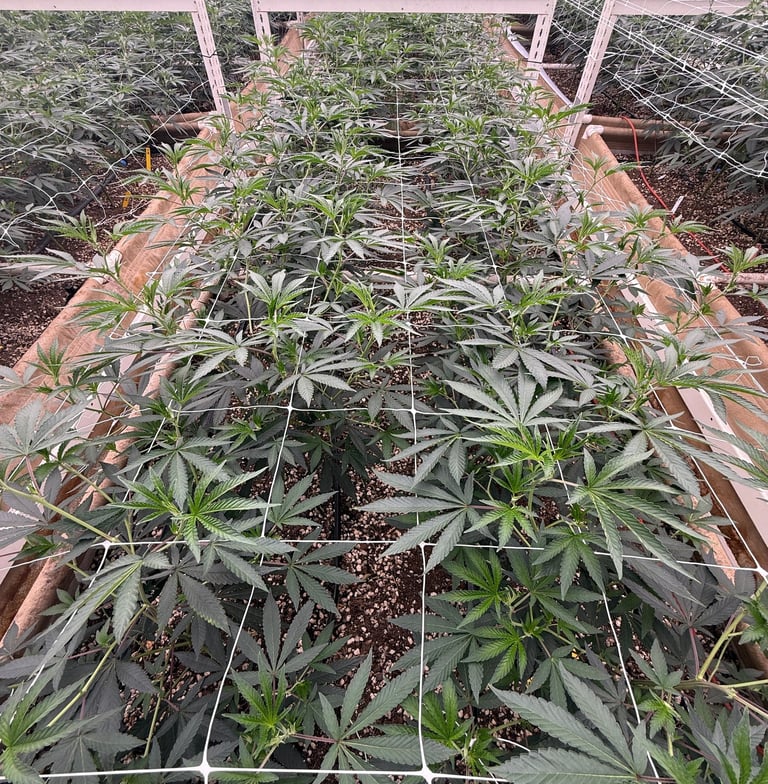
Living soil isn't just dirt with nutrients mixed in. It's a thriving ecosystem where billions of microorganisms work in symbiotic relationships with your plants. Think of it as an underground economy where everyone benefits.
Your soil microbiome (beneficial bacteria, fungi, and endophytes) does two critical things simultaneously: it feeds your plants nutrients they couldn't access on their own, and it triggers natural defense responses that ramp up terpene production.
When your plants sense beneficial microbes colonizing their roots, they don't just sit there passively absorbing nutrients. They respond. And one of their primary responses is to increase terpene biosynthesis as part of their immune system activation.
Meet the Microbial All-Stars
Not all soil life is created equal. Certain microbial players have outsized impacts on terpene production:
Beneficial bacteria like Bacillus and Pseudomonas are nutrient unlocking specialists. They fix atmospheric nitrogen, solubilize bound phosphorus, and make nutrients bioavailable that would otherwise remain locked in your soil. This gives your plants the metabolic fuel required for the energy-intensive process of terpene synthesis.
Mycorrhizal fungi are the network builders. These fungi colonize root systems and extend thread-like filaments (hyphae) far beyond what roots can reach alone. The result? A massive expansion in your plant's nutrient absorption capacity, directly supporting the high energy demands of producing volatile aromatic compounds.
Endophytic fungi like Trichoderma take things a step further. They actually live inside your plant tissues, releasing polysaccharides and other compounds that activate defense signaling pathways (jasmonic acid and salicylic acid). This internal trigger causes your plants to produce significantly more terpenes as a protective response.
Chemical Communication Below the Surface
Here's where it gets really interesting. Microbes don't just feed your plants. They talk to them.
Beneficial bacteria and fungi emit their own volatile organic compounds, essentially chemical signals that your plants can "read." These microbial VOCs interact with your plant's gene expression, specifically upregulating terpene synthase genes. Translation: the microbes are literally telling your plants to make more terpenes.
Some beneficial microbes go even further, supplying precursors for monoterpene biosynthesis directly. They're providing the molecular building blocks that make increased terpene production possible.
Stress, Adaptation, and Aromatic Compounds
In nature, plants that face stress often produce more secondary metabolites as survival mechanisms. Living soil leverages this biology intelligently.
When beneficial microbes colonize your rhizosphere (the zone immediately around roots), they trigger induced systemic resistance. This is a form of plant immunity that primes your crops to handle environmental challenges: drought, temperature fluctuations, nutrient variability, pathogen pressure.
The plant's adaptive response to this microbial-induced resistance? Higher production of terpenes, flavonoids, and other secondary metabolites. Your plants become more resilient while simultaneously becoming more aromatic and chemically complex.
The Living Soil Advantage
Chemical fertilizers take a transactional approach. They dump readily available nutrients into your soil, and your plants absorb them. Simple, direct, but ultimately limiting.
Living soil takes a systems approach. It feeds the microbes that feed your plants while simultaneously activating the biological processes that create diverse, complex terpene profiles.
You're not just providing NPK ratios. You're activating millions of years of co-evolved symbiotic relationships. You're turning on genetic switches that synthetic feeding can't touch. You're creating the conditions for your plants to express their full biochemical potential.
Building Your Living Soil
The good news? You don't need a microbiology degree to harness these benefits.
Start with quality compost rich in diverse microbial populations. Incorporate mycorrhizal inoculants at transplant. Add bacterial consortia designed for plant growth promotion. Maintain soil moisture and aeration to keep your microbial communities thriving.
Feed the soil, not just the plant. Use organic amendments that feed microbial populations over time rather than water-soluble synthetics that bypass the soil food web entirely.
The investment pays dividends in terpene complexity that you can smell, taste, and feel.
The Bottom Line
Superior terpenes aren't just about dialing in your environment or choosing the right genetics (though both matter). They're about creating the biological conditions underground that allow your plants to express those genetics fully.
Living soil isn't a growing method. It's a partnership between you, your plants, and the billions of microorganisms working 24/7 to unlock potential that synthetic feeding leaves on the table.
The question isn't whether living soil produces better terpenes. The science is clear. The question is whether you're ready to let biology do what chemistry can't.