
Living Soil vs Hydro Cannabis: Which Growing Method Produces Better Flower?
Comparing living soil vs hydro cannabis cultivation methods. Learn which technique produces superior terpenes, flavor, and effects for craft cannabis growers.
Living Soil vs Hydro Cannabis: Which Growing Method Produces Better Flower?
When you're deciding how to grow cannabis, the living soil vs hydro debate is one of the most important choices you'll make. Both methods can produce quality flower, but they deliver completely different experiences for growers and consumers alike.
If you're looking for explosive terpene profiles, complex flavors, and cannabis that actually tastes like the plant instead of sterile nutrients, living soil is the clear winner. But hydro has its place too. Here's everything you need to know to make the right choice for your garden.
What Is Living Soil Cannabis?
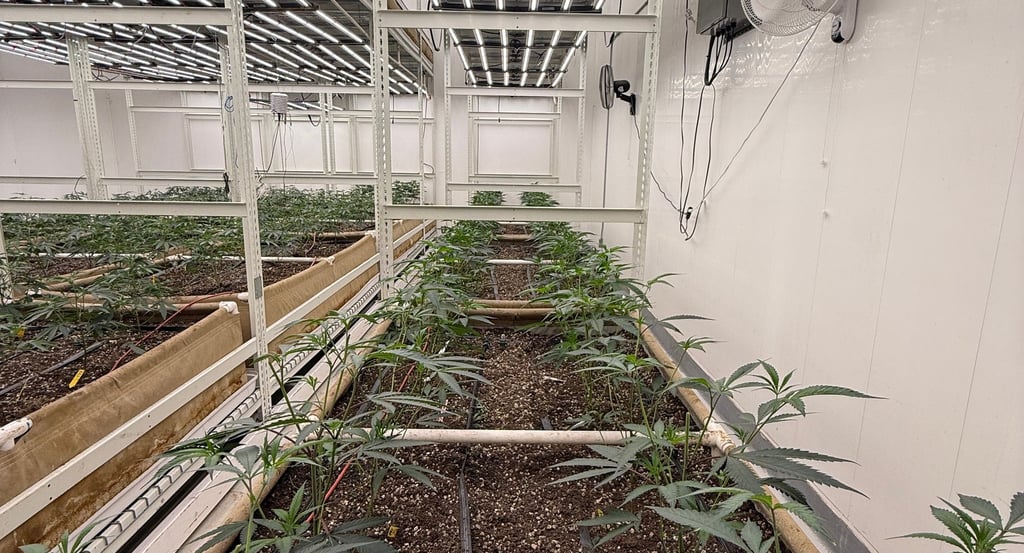
Living soil cannabis is grown in biologically active soil teeming with beneficial microbes, fungi, and organisms. Instead of feeding plants with synthetic nutrients, you're building a soil ecosystem that feeds itself.
The soil food web does the heavy lifting. Mycorrhizal fungi extend root networks. Bacteria break down organic matter into plant-available nutrients. Protozoa and nematodes cycle nutrients through the system. The result is cannabis that expresses its full genetic potential with zero chemical inputs.
This method mimics how cannabis grows in nature, which is why living soil flower often has more pronounced terpene profiles and what growers call "the entourage effect" at full strength.
What Is Hydroponic Cannabis?
Hydroponic cannabis (hydro) is grown without soil. Plants sit in an inert medium like rockwool, coco coir, or clay pebbles, and you feed them nutrient solutions mixed with water. Popular hydro systems include deep water culture (DWC), nutrient film technique (NFT), and ebb and flow setups.
Hydro gives you precise control over every nutrient the plant receives. You can dial in nitrogen, phosphorus, and potassium ratios down to the PPM. Growth rates are often faster than soil because roots have direct access to oxygen and nutrients.
The tradeoff is that hydro cannabis tends to have less complex flavors and weaker terpene expression compared to living soil. You're optimizing for speed and yield, not for craft quality.
Living Soil vs Hydro: Terpene Production and Flavor
This is where living soil pulls ahead by a mile.
Cannabis grown in living soil develops richer, more complex terpene profiles. The reason comes down to how plants uptake nutrients. In living soil, plants select which nutrients they need from a buffet of available organic compounds. The microbial community processes these compounds slowly, creating a gradual nutrient availability that mimics natural conditions.
In hydro, you're force-feeding plants a pre-mixed nutrient solution. The plant doesn't choose, it just takes what's available in the water. This leads to faster growth but less terpene complexity. Hydro cannabis often tastes generic or one-dimensional, even when grown well.
Ask any sommelier-level cannabis consumer and they'll tell you: living soil flower has depth. It tastes like actual fruit, actual gas, actual earth. Hydro tastes like "weed."
Growth Speed and Yield Comparison
Hydro wins on speed. Because roots access oxygen and nutrients directly, vegetative growth is 20-30% faster than living soil. You can turn over crops quicker, which matters if you're running a commercial operation focused on volume.
Living soil is slower but more forgiving. Once your soil biology is established, you're mostly watering and observing. There's less risk of nutrient lockout, pH swings, or catastrophic system failures that can wipe out a hydro crop overnight.
Yield differences are negligible when both systems are dialed in. Hydro can edge out living soil by 10-15% in pure weight, but living soil produces denser, more resinous buds with higher trichome density. If you're selling by the pound, hydro wins. If you're selling by quality, living soil dominates.
Cost and Complexity: Which Method Is Easier?
Living soil has higher upfront costs. You're investing in quality compost, mineral amendments, cover crops, and microbial inoculants. A well-built living soil bed can cost $300-500 to establish per 4x4 area. But once it's built, ongoing costs are minimal. You're top-dressing with compost and watering. That's it.
Hydro has lower startup costs but higher recurring expenses. You need pumps, timers, reservoirs, pH meters, and TDS meters. Nutrients are an ongoing cost, and you're replacing nutrient solutions every 1-2 weeks. Equipment failures (pumps dying, timers malfunctioning) can kill your crop if you're not monitoring constantly.
For beginners, living soil is more forgiving. Soil acts as a buffer against mistakes. You overwater once? The soil biology recovers. In hydro, one mistake with pH or nutrient concentration can cause irreversible damage.
Environmental Impact: Sustainability in Cannabis Growing
Living soil cannabis is regenerative. You're building soil health over time, sequestering carbon, and creating a closed-loop system. No chemical runoff. No bottles of synthetic nutrients ending up in landfills. Your inputs are compost, rock dust, and cover crop seeds.
Hydro cannabis generates waste. Used nutrient solutions contain salts that can't be dumped down the drain without environmental consequences. Spent growing media (rockwool, coco) usually ends up in landfills. The carbon footprint is higher because you're buying bottled nutrients shipped from across the country.
If you care about regenerative agriculture or minimizing your grow's environmental impact, living soil is the only choice that aligns with those values.
Which Growing Method Should You Choose?
Choose living soil if you want to grow craft cannabis with elite terpene profiles, full-spectrum effects, and sustainable practices. Living soil is ideal for small-batch growers, home cultivators, and anyone who prioritizes quality over quantity.
Choose hydro if you need fast turnover, maximum control over nutrients, or you're growing at commercial scale where speed and consistency matter more than flavor complexity.
For most home growers and craft cultivators, living soil vs hydro isn't even a debate. Living soil produces better-tasting, more potent cannabis with less hassle and a smaller environmental footprint.
Getting Started with Living Soil Cannabis
Building living soil starts with a quality base. You want a mix of compost, peat moss or coco coir, and aeration (perlite or pumice). Add mineral amendments like rock dust, oyster shell flour, and kelp meal. Inoculate with mycorrhizae and beneficial bacteria.
Let the soil "cook" for 2-4 weeks before planting. This gives the microbial community time to establish. Once your soil is alive, you're just maintaining the ecosystem with compost teas, top-dressing, and cover crops.
The learning curve is steeper than hydro at first, but once you understand soil biology, you'll never go back to synthetic nutrients.
Drops sell out. Get notified first
support@floraandflameca.com
520-702-7039
© 2026. All rights reserved.
WARNING (California Prop 65)
Cannabis smoke contains chemicals known to the State of California to cause cancer and birth defects or other reproductive harm.
For more information go to www.P65Warnings.ca.gov
For use only by persons 21 years of age or older. Keep out of reach of children and pets.
CA License: C12-0000449-LIC
Privacy Policy

